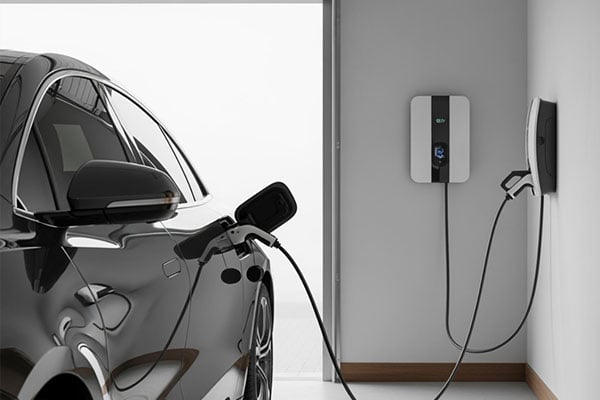
If you have just brought home an electric vehicle, or you are about to, one…
Why Does My Circuit Breaker Keep Tripping?
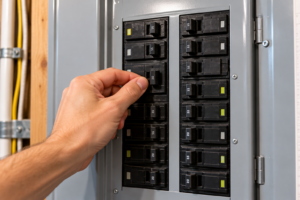 It’s a frustrating and common household problem: you’re in the middle of something, and suddenly the power cuts out in one part of your house. A quick trip to your electrical panel reveals a flipped switch. But if you find yourself constantly asking, Why does my circuit breaker keep tripping?, it’s a sign of a deeper issue that needs attention. Ignoring a frequently tripping breaker can pose a significant safety risk. Therefore, understanding the root causes is the first step toward a safe and reliable electrical system.
The Top 3 Culprits Behind a Tripping Breaker
A circuit breaker is a safety device designed to protect your home’s electrical circuits from damage caused by overcurrent. Consequently, when it trips, it’s doing its job. Most of the time, the issue falls into one of three categories.
1. Overloaded Circuits
This is the most common reason for a tripped breaker. An overload occurs when you try to draw more electricity than a circuit can safely handle. For example, running a microwave, a toaster oven, and a coffee maker all on the same kitchen circuit can easily exceed its amperage limit, causing the breaker to trip. Furthermore, older homes with fewer circuits are particularly susceptible to this problem as modern life demands more power.
2. Short Circuits
A short circuit is a more serious issue. It happens when a ‘hot’ wire touches a ‘neutral’ wire somewhere in the circuit. This contact creates a low-resistance path for the electricity, causing a massive surge of current to flow. The breaker trips instantly to prevent overheating and a potential fire. Short circuits can be caused by damaged wiring, loose connections, or faulty appliance plugs. Importantly, if your breaker trips immediately after you reset it, a short circuit is a likely suspect.
3. Ground Faults
A ground fault is similar to a short circuit, but it occurs when a hot wire touches a grounded part of the system, such as a metal outlet box or the bare copper ground wire. This also creates a dangerous path for electricity. In areas like kitchens and bathrooms, GFCI (Ground Fault Circuit Interrupter) outlets are designed to detect these faults and shut off power even faster than a standard breaker. A ground fault indicates a serious wiring or appliance problem that requires immediate attention.
What Should I Do When My Breaker Trips?
When a breaker trips, don’t just flip it back on immediately. Instead, follow a systematic approach to identify the cause safely. This process can help you determine if it’s a simple overload or a more complex problem.
- Turn Off and Unplug Devices: Go to the affected area of your home and turn off all lights and unplug every appliance from the outlets on that circuit. This helps to remove a potential overload.
- Reset the Breaker: Return to the electrical panel. Firmly push the tripped breaker switch to the ‘OFF’ position, and then flip it back to the ‘ON’ position.
- Test the Circuit: If the breaker stays on, the issue was likely a temporary overload. You can now begin plugging devices back in one by one. If plugging in a specific appliance causes the breaker to trip again, you’ve found the culprit.
- Identify Persistent Problems: If the breaker trips again immediately with nothing plugged in, you likely have a short circuit or ground fault. Do not attempt to reset it again. This is a clear sign you need professional help.
Advanced Reasons Why Does My Circuit Breaker Keep Tripping
Sometimes, the answer to why does my circuit breaker keep tripping isn’t as simple as an overloaded circuit. Several underlying electrical system issues could be at play, and these often require a professional diagnosis from a qualified electrician.
Old or Faulty Wiring
Wiring doesn’t last forever. Over time, insulation can degrade, connections can become loose, and damage from pests or accidental punctures can occur. These issues can lead to intermittent short circuits or ground faults that cause breakers to trip. If your home has older wiring, it may not be able to handle the electrical load of modern appliances, leading to persistent problems. In some cases, you may find that half your house is without power due to a major wiring fault.
An Outdated Electrical Panel
The electrical panel is the heart of your home’s electrical system. An old or undersized panel can be a significant fire hazard and a source of constant trips. If you have an unsafe or outdated electrical panel, it may not have the capacity for your home’s needs, or the breakers themselves may be worn out and failing. According to the Electrical Safety Foundation International (ESFI), upgrading an electrical panel is a critical safety improvement for many older homes.
Can a Faulty Appliance Cause a Breaker to Trip?
Yes, absolutely. An internal wiring failure within an appliance can create a short circuit or ground fault. As a result, the moment you plug it in or turn it on, the breaker trips. If you’ve isolated the problem to a single appliance, the safest course of action is to stop using it and have it repaired or replaced. Continuing to use a faulty appliance is a serious fire risk.
When to Call a Professional Electrician
While you can troubleshoot a simple overload, many electrical issues are complex and dangerous to handle without proper training. You should call a professional residential electrician if you experience any of the following:
- The breaker trips immediately after being reset.
- You smell a burning odor or see scorch marks on outlets or the panel.
- The breaker feels hot to the touch.
- You suspect you have a short circuit, ground fault, or outdated wiring.
- You are unsure about the cause and want a professional diagnosis.
A licensed electrician has the tools and expertise to safely diagnose the problem. They can determine why does my circuit breaker keep tripping and perform the necessary repairs, whether it’s replacing a faulty breaker, fixing a short circuit, or upgrading your entire panel. For comprehensive information on home electrical systems, the U.S. Department of Energy provides excellent resources on home wiring and safety.
Final Thoughts: Your Next Steps for Electrical Safety
A tripping circuit breaker is a warning sign that shouldn’t be ignored. By understanding the difference between a simple overload and a more serious fault, you can take the appropriate steps to protect your home and family. For simple overloads, managing your appliance usage is key. However, for anything more complex, the safest and most effective solution is to seek professional help. Don’t let a persistent electrical issue compromise your safety. Contact Voltek Electric today for a professional inspection and peace of mind.
Related Posts