
Prepare your home with these crucial electrical tips before winter. Learn how to prevent hazards, save energy, and ensure your system is ready for the co...
EV Charger Installation Cost in SE Wisconsin: A Complete Guide
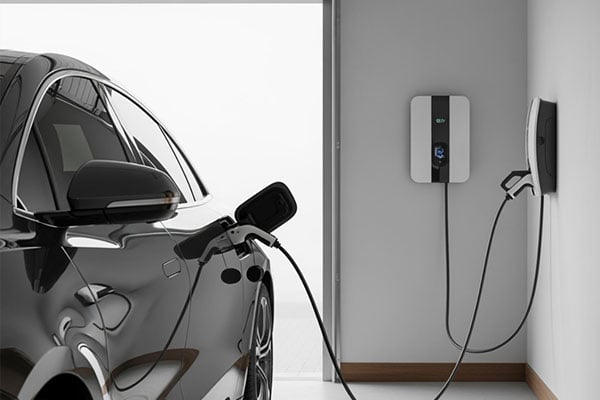 If you have just brought home an electric vehicle, or you are about to, one of your first questions is probably about EV charger installation cost and what actually goes into it. We hear this question almost every week from homeowners across Milwaukee, Waukesha, Racine, Kenosha, and the surrounding communities. The honest answer is that no two homes are wired the same way, so no two installations look identical. This guide walks you through the factors that shape a project, what the process looks like from start to finish, and how to prepare so your installation goes smoothly.
Why Every Installation Looks a Little Different
Plugging an EV into a standard wall outlet works in a pinch, but it adds range very slowly. Most drivers want something faster, which is why a level 2 EV charger install has become one of the most common projects we handle for homeowners.
A Level 2 charger runs on a dedicated 240 volt circuit, similar to what powers an electric dryer or range. That circuit needs the right wire, the right breaker, and a safe path from your electrical panel to the spot where you park. Because every house has a different panel, a different layout, and a different parking setup, the work involved changes from one address to the next.
At Voltek Electric, we treat each project as its own puzzle. We look at your home first, then we explain what the job requires in plain language.
What Shapes EV Charger Installation Cost
When people ask what drives the total, we point to a handful of practical factors. Understanding them helps you compare quotes fairly and avoid surprises later.
- Distance between your electrical panel and the charger location
- Available capacity inside your existing panel
- Whether the wiring runs through finished walls, an unfinished basement, or outdoors
- The charger model and the amperage it requires
- Local permit and inspection requirements
- Mounting location, such as an attached garage, a detached garage, or an exterior wall
Each of these items affects labor time, materials, or both. A garage that shares a wall with your panel is a very different job from a detached garage forty feet from the house, and a good estimate should reflect that.
The Role of Your Electrical Panel
Your panel is the heart of the whole project, and it deserves a closer look before anything else. A Level 2 charger can draw a steady, heavy load for hours at a time. If your panel is already close to its limit, adding that load can trip breakers or create a safety concern.
Many homes in Southeastern Wisconsin were built decades ago with panels sized for a much lighter set of appliances. Today those same homes may be running central air, an electric range, a hot tub, and now a vehicle charger. During our assessment, we calculate your home’s total electrical load using the same method the National Electrical Code requires. That calculation tells us whether your current panel can support a charger or whether an upgrade makes sense first.
Here are a few signs your panel may need attention before a charger goes in:
- Breakers that trip often when several appliances run together
- Lights that flicker or dim when a large appliance starts
- A panel with no open breaker spaces
- An older fuse box or a panel with visible rust or scorching
- A service rating of 100 amps or less
If any of these sound familiar, a panel upgrade often becomes part of the conversation. It is not an upsell. It is simply the safest way to give your home the capacity it needs, and it usually benefits you long after the charger is installed.
How We Handle a Home EV Charging Station Project
A home EV charging station involves more than mounting a box on the wall. We follow a clear process so you always know what comes next. Here is how a typical project unfolds.
- You contact our team and share a few details about your vehicle, your home, and where you plan to park.
- We schedule a site visit to inspect your panel, measure the wiring route, and talk through charger options.
- We review the load calculation and explain whether your service can handle the new circuit.
- You receive a written scope of work that outlines the circuit, the charger location, and any permit needs.
- We pull the required permits with your local municipality.
- Our licensed electricians run the wiring, install the breaker, and mount and connect the charger.
- We test the circuit, walk you through how to use your charger, and schedule the inspection if one is required.
Following these steps in order keeps the work organized and helps us catch problems early, when they are easiest to solve.
If you would like to read more about how we handle common questions, our frequently asked questions cover many of the details homeowners ask about before booking.
Choosing the Right Charger for Your Driving Habits
Not every driver needs the fastest charger available. The right choice depends on how you use your vehicle every day.
Consider how many miles you typically drive. If your commute is short, a lower amperage circuit can refill your battery overnight with room to spare. If you drive long distances for work or travel often, a higher amperage setup may suit you better. Your vehicle also has a maximum rate at which it can accept power, so a charger that exceeds that rate will not charge any faster than the car allows.
A few other features are worth thinking about:
- Hardwired or plug in connection
- Built in cable management
- Indoor or outdoor weather rating
- Wi-Fi connectivity for scheduling and usage tracking
- Compatibility with your vehicle’s charging port
Wisconsin winters matter here too. Cold weather slows charging and reduces range, so an outdoor charger needs a proper weather rating, and a garage installation can keep your vehicle a bit warmer and more efficient on frozen mornings.
Permits, Codes, and Utility Considerations
Permits are a normal part of any legitimate charger installation. They exist to make sure the work meets code and that someone qualified has verified it. Requirements vary between cities and villages in Southeastern Wisconsin, and we handle the paperwork so you do not have to chase it down.
Utility programs are also worth a look. Some energy providers in our region offer time of use rates that make overnight charging more economical, and a few have periodically offered rebate programs for charging equipment. These programs change from time to time, so we encourage you to check with your utility provider while we plan your installation. Our team can also help you understand how your charger settings can take advantage of off peak hours.
Planning Ahead for Future Vehicles
Many households start with one EV and add a second a few years later. If that sounds like your plans, it makes sense to mention it early. Running a heavier gauge wire or leaving room in your panel now can save you from reopening walls and repeating work down the road.
We also encourage you to think about how your home might change. A finished basement, a new addition, or a solar system can all shift your electrical needs. Sharing those plans lets us design a setup that fits where you are heading, not just where you are today.
Since our team has deep roots in the communities we serve, we know the older housing stock across this region and the quirks that come with it. That local electrical expertise helps us spot issues quickly, from aging wiring to undersized service lines.
Safety Always Comes First
Electric vehicle charging is safe when it is installed correctly. It is also one of the few household electrical loads that runs at near full power for hours without a break. That sustained demand is exactly why shortcuts cause problems.
Here is what proper installation protects against:
- Overheated wires or terminals from undersized conductors
- Loose connections that create resistance and heat
- Nuisance tripping from an overloaded circuit
- Code violations that complicate home sales or insurance claims
- Damage to your vehicle’s onboard charging equipment
Using licensed electricians, correct materials, and a final inspection keeps your home and your vehicle protected for the long run.
Finding an Electrician for EV Charger Work Near You
Searching for an electrician for EV charger projects near you can bring up a long list of options. A few questions can help you sort through them.
- Are they licensed and insured in Wisconsin?
- Do they perform a load calculation before quoting?
- Will they pull permits and schedule inspections?
- Do they provide a written scope of work?
- Can they explain panel capacity in simple terms?
An electrician who answers these questions openly and clearly is usually one who will treat your home with care. We are always glad to answer them directly.
Ready to Plan Your Installation?
Getting a clear picture of your project starts with a conversation about your home, your vehicle, and your goals. If you are ready to move forward, reach out to our team, and we will schedule a time to look at your panel and talk through your options. We will explain every step in plain language, so you can make decisions with confidence.
Frequently Asked Questions
1. How long does a Level 2 charger installation take?
Many installations are completed in a single day when the panel has capacity, and the wiring route is straightforward. Longer runs, finished walls, or panel work can extend the timeline. We give you a realistic schedule after the site visit.
2. Do I need a permit to install a home EV charger?
In most Southeastern Wisconsin communities, yes. A dedicated 240 volt circuit typically requires an electrical permit and an inspection. We handle the permit process on your behalf so the work stays fully compliant.
3. Can my existing panel support a Level 2 charger?
It depends on your panel’s available capacity and your home’s total electrical load. We perform a load calculation during our visit to find out. If your panel falls short, we will explain your options clearly, including a panel upgrade when it is the right solution.
4. Should I choose a hardwired charger or a plug-in model?
Both work well. A hardwired charger often allows a higher amperage and a cleaner outdoor setup, while a plug-in model offers flexibility if you may move the unit later. We help you pick the format that matches your garage layout and driving needs.
5. Can you install a charger in a detached garage?
Yes. It usually involves running a dedicated feeder underground or overhead from your main panel, and sometimes adding a small subpanel in the garage. We assess the route and explain the options during the site visit.
Related Posts


