How long does an electrical panel last? Learn the average lifespan (25-40 years), key signs of failure, and when you should consider a replacement. Conta...
Why Do My Lights Dim When Appliances Turn On?
 It’s a common scenario in many homes: you start the microwave, the air conditioner kicks on, or you fire up the vacuum cleaner, and for a moment, the lights flicker or dim. If you’ve ever asked yourself, Why do my lights dim when appliances turn on?, you’re not alone. This phenomenon, while often harmless, can sometimes signal a deeper issue with your home’s electrical system. Therefore, understanding the root causes is crucial for maintaining a safe and efficient home. This guide will explore the science behind the dimming, potential dangers, and what steps you can take to resolve it.
What Causes the Initial Voltage Drop?
The primary reason your lights dim is a temporary voltage drop on the circuit. Think of your home’s electrical system as a water pipe with a certain pressure (voltage). When you turn on a large, motor-driven appliance like a refrigerator, air conditioner, or even a laser printer, it requires a significant surge of power to get started. This is known as ‘inrush current.’ Consequently, this sudden, high demand for electricity momentarily lowers the overall voltage available to other devices on the same circuit, including your lights. The lights then dim in response to this reduced voltage.
For many modern homes with robust wiring, this effect is minimal and lasts only a second. However, if the dimming is significant, prolonged, or happens with smaller appliances, it might indicate an underlying problem that needs attention. Furthermore, the type of appliance plays a huge role. Appliances with large motors or heating elements are the most common culprits because their power requirements are so substantial at startup.
Is This Dimming Dangerous?
A slight, momentary dimming is usually not a cause for alarm. However, you should pay close attention to the frequency and severity of the issue. Persistent or dramatic dimming can be a symptom of a more serious electrical problem that could pose a fire hazard. Specifically, it’s important to differentiate between a normal power dip and a warning sign.
Overloaded Circuits
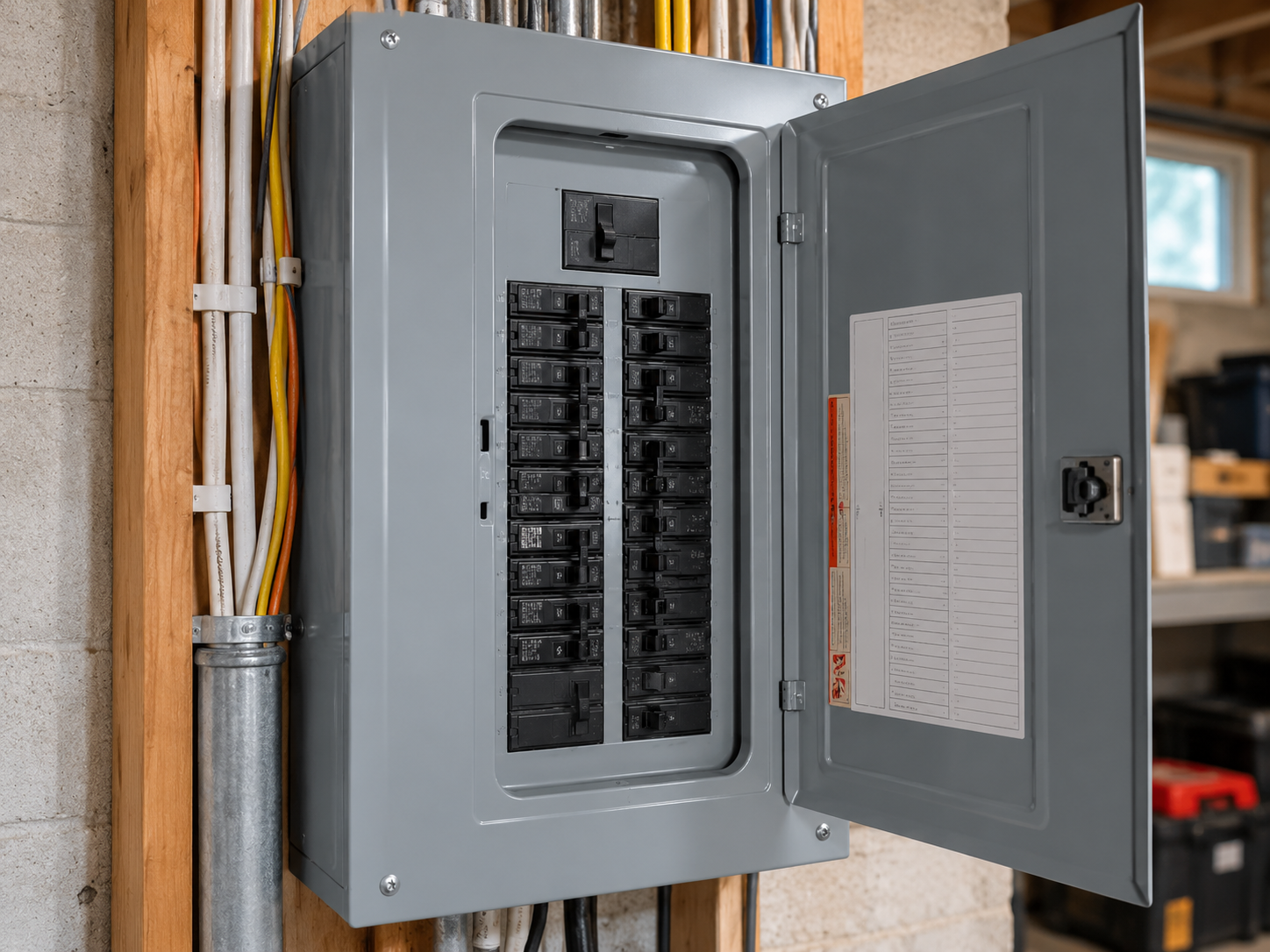
One of the most common culprits is a simple overloaded circuit. A single circuit is designed to handle a finite amount of electrical load. If your kitchen lights, refrigerator, and microwave are all on the same circuit, starting the microwave can easily max out the circuit’s capacity, causing a noticeable voltage drop. In addition, an overloaded circuit may cause the breaker to trip frequently, which is a clear sign that the demand is too high. A professional residential electrician can help assess your panel and determine if you need to redistribute loads or add a new, dedicated circuit.
Outdated or Faulty Wiring
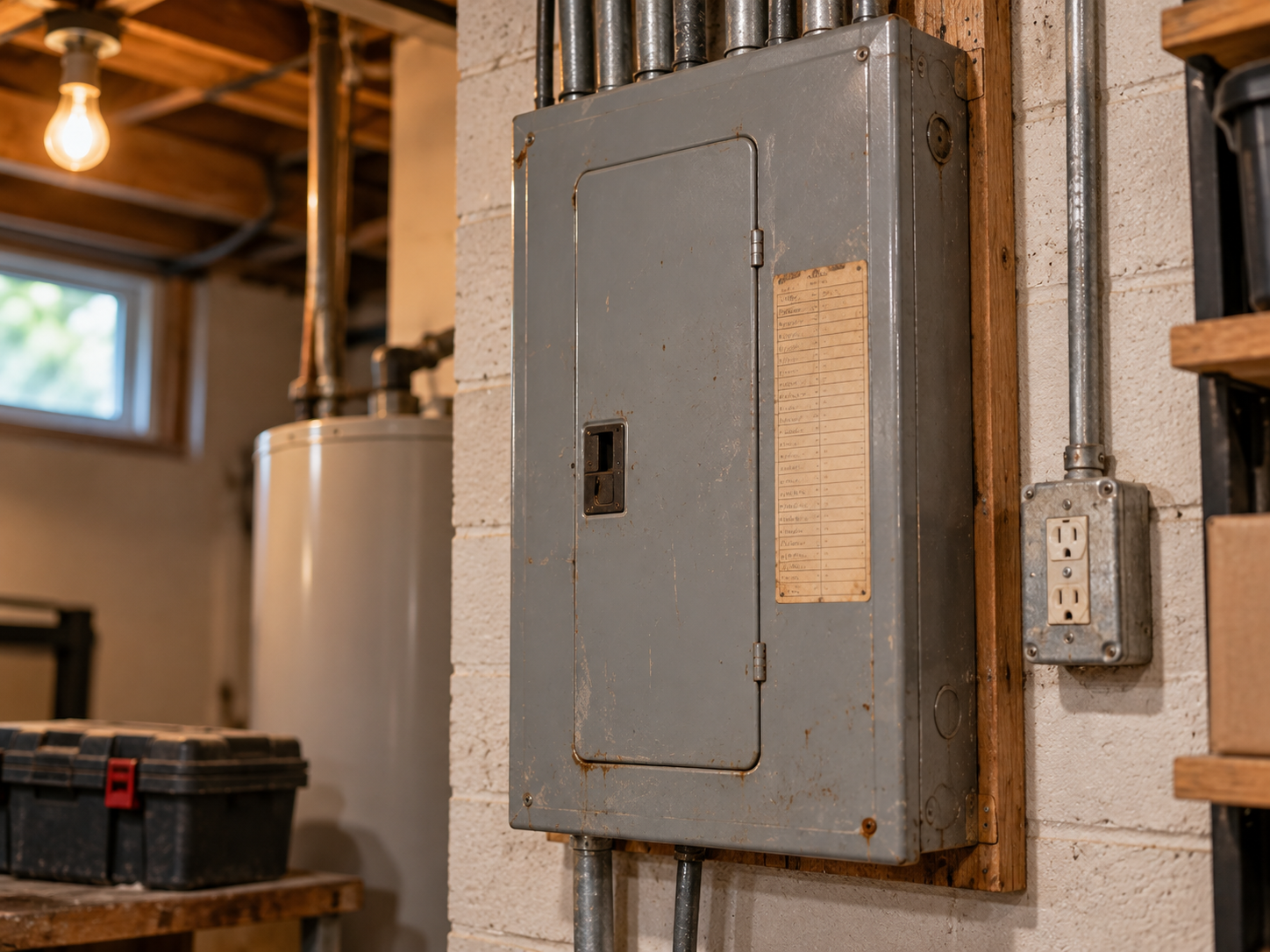
Older homes, in particular, may have wiring that isn’t up to the task of powering modern, high-draw appliances. The wire gauge might be too small to handle the electrical load, leading to resistance and a voltage drop. Moreover, connections can become loose over time at outlets, switches, or within the electrical panel itself. These loose connections are a serious fire risk, as they can arc and generate intense heat. If you notice flickering lights combined with a faint buzzing sound or a burning smell near an outlet, you should shut off the power at the breaker and call an expert immediately.
Key Reasons Why Do My Lights Dim When Appliances Turn On
To summarize, several factors can lead to this common electrical quirk. While some are benign, others require professional diagnosis. The answer to ‘Why do my lights dim when appliances turn on?‘ often involves one of the following issues:
- Inrush Current: A normal, large but brief power draw from motor-driven appliances like air conditioners, refrigerators, and pumps.
- Shared Circuits: Placing too many devices, especially a high-draw appliance, on a single circuit that also powers your lights.
- Inadequate Wiring: Using wires of an insufficient gauge that cannot handle the power demands of modern life, which is common in older properties.
- Loose Connections: Faulty or loose connections in your electrical panel, at an outlet, or in a junction box can create resistance and heat.
- Utility-Side Problems: Occasionally, the issue may not be inside your home but with the electrical service coming from the utility pole.
What Can You Do About Dimming Lights?
If you’re experiencing dimming lights, there are a few diagnostic steps you can take. First, observe which appliances cause the issue. If it’s always the same one, try plugging it into an outlet on a different circuit to see if the problem persists. This helps determine if the issue is with the appliance or the circuit itself. For more information on home electrical systems, authoritative sources like the Electrical Safety Foundation International (ESFI) provide excellent resources for homeowners.
Additionally, you can check if your high-power appliances have their own dedicated circuits. Building codes often require this for devices like ovens, dryers, and central air units to prevent overloads. If they are sharing a circuit, a solution is to have an electrician install a new, dedicated line. For other common issues, you might find answers among our common electrical questions.
Final Thoughts: When to Call a Professional Electrician
While a minor flicker is often normal, you should never ignore persistent or severe electrical symptoms. It’s time to call a professional if you notice any of the following: the dimming has become more frequent or severe, lights flicker or dim even when no major appliances are running, circuit breakers trip regularly, or you detect any burning odors or buzzing sounds from your outlets or electrical panel. Answering the question ‘Why do my lights dim when appliances turn on?‘ is sometimes a job for an expert. A qualified electrician can perform a full diagnostic to ensure your home’s wiring is safe, secure, and capable of meeting your family’s power needs. Don’t hesitate to protect your home and family. If you’re concerned about your electrical system, contact us for a safety inspection today.
Related Posts