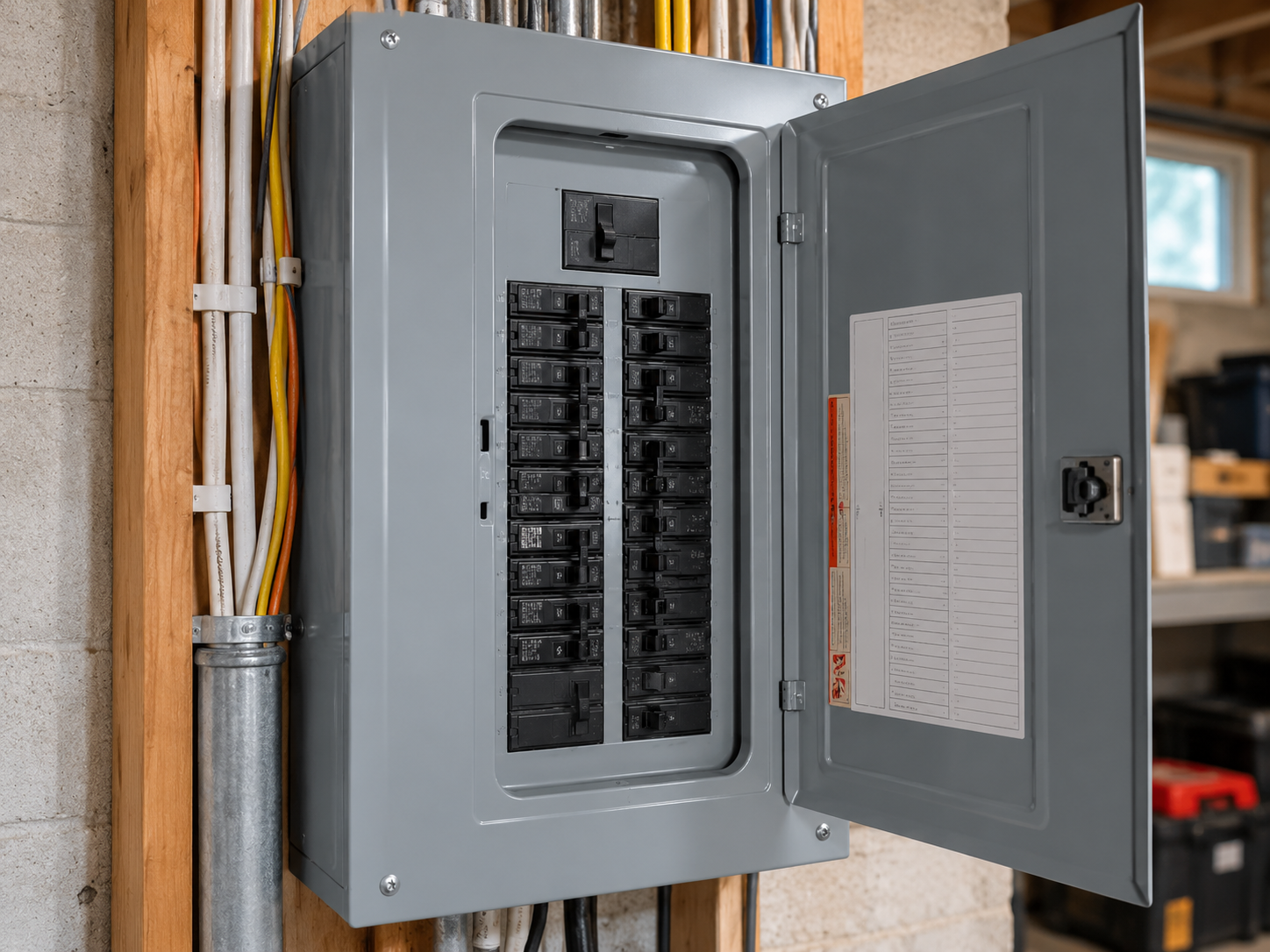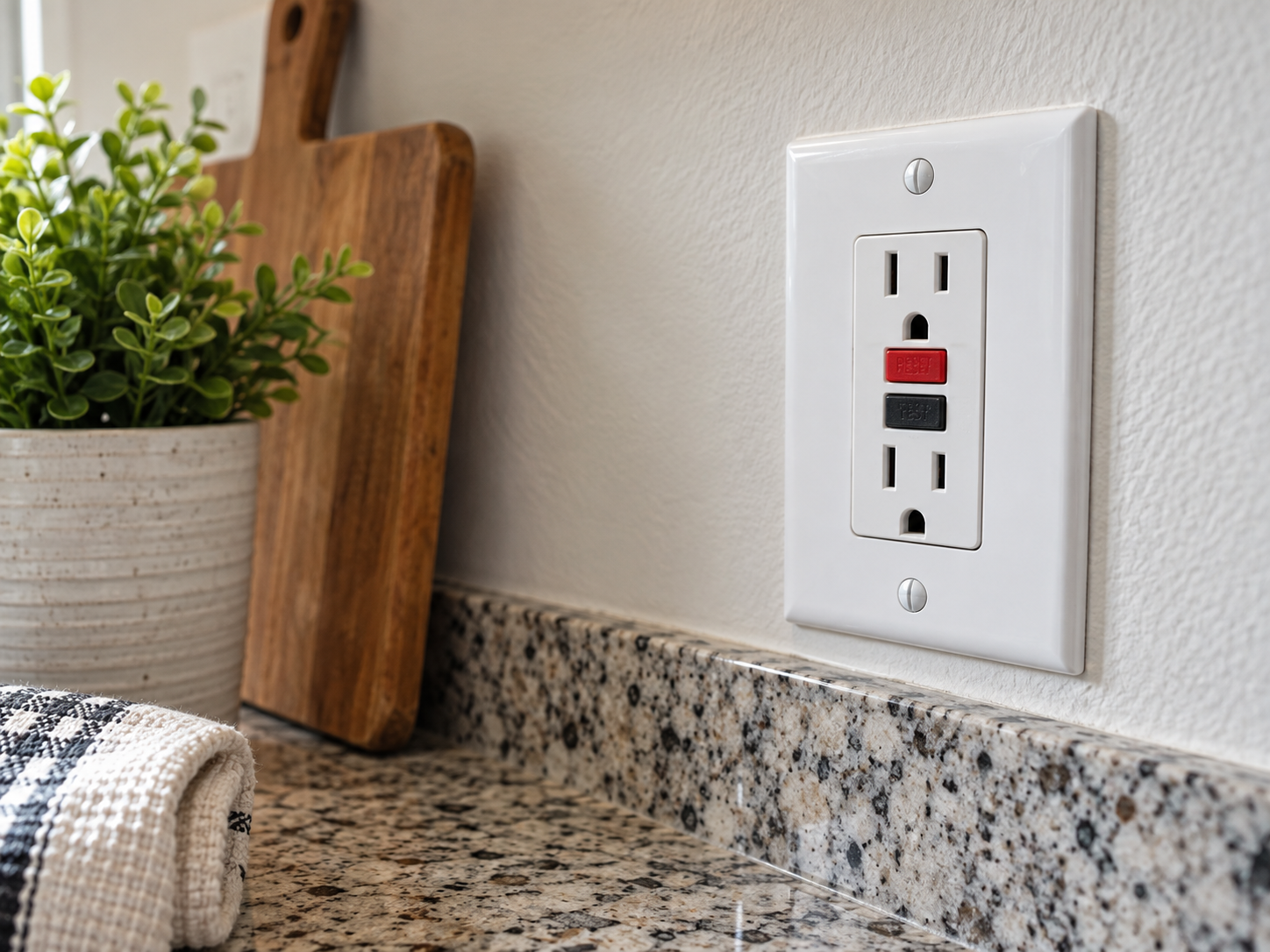
Wondering what size electrical panel does my home need? Learn about 100, 150, and 200-amp panels and how to calculate your home's load. Contact us today!
How Long Does An Electrical Panel Last?
 As a homeowner, you might not think about your circuit breaker box often, but understanding how long does an electrical panel last is crucial for your home’s safety and functionality. This component is the heart of your home’s electrical system, distributing power to every outlet and appliance. Consequently, its health directly impacts everything from your lights to your major appliances. An aging panel not only risks failure but can also pose a significant fire hazard.
What Is the Average Lifespan of an Electrical Panel?
Generally, a modern electrical panel has a lifespan of 25 to 40 years. However, this is not a hard and fast rule. Several factors, including the manufacturer, the quality of the initial installation, and your home’s electrical demand, can significantly influence its longevity. For example, a panel in a home with numerous high-demand electronics may experience more wear than one in a home with more modest energy needs.
Furthermore, circuit breakers themselves can wear out over time. While the main box might be structurally sound, the individual breakers can fail, leading to frequent tripping or a complete loss of power to a circuit. Therefore, even if your panel is within its expected lifespan, its components may require attention sooner.
Key Factors That Influence Panel Longevity
The lifespan of an electrical panel isn’t just a matter of age. Several specific conditions can shorten its operational life. Importantly, being aware of these factors can help you anticipate potential issues before they become critical failures.
Quality of Initial Installation
A professional, code-compliant installation is foundational to a panel’s longevity. Improper installation, such as loose connections or incorrectly sized wires, can cause overheating and premature wear. As a result, what might seem like a minor shortcut during installation can lead to major problems and a significantly reduced lifespan for the entire system.
Electrical Load and Usage
Modern homes use more power than ever before. If your panel was installed decades ago, it might not be equipped to handle the load from today’s array of computers, smart home devices, and high-efficiency appliances. A constantly overloaded panel will run hot and its components will degrade much faster. This is a common reason for early panel failure.
Environmental Conditions
Environment plays a surprisingly large role. A panel located in a damp, humid basement is susceptible to rust and corrosion, which can compromise electrical connections and create serious safety hazards. Similarly, excessive heat can also accelerate the degradation of a panel’s components. Keeping the area around your panel clean and dry is a simple yet effective maintenance step.
What are the Signs of a Failing Electrical Panel?
Recognizing the warning signs of a failing panel is essential for preventing electrical fires and unexpected power outages. If you notice any of the following issues, it’s time to call a professional for an inspection. These are some of the most common clear signs your electrical panel is unsafe.
- Frequent Breaker Trips: While breakers are designed to trip to prevent overloads, frequent occurrences suggest a deeper problem with the panel or your home’s wiring.
- Flickering or Dimming Lights: If your lights dim whenever a large appliance turns on, it could indicate that your panel is struggling to manage the electrical load.
- Strange Noises or Odors: A buzzing or crackling sound from the panel is a serious red flag. Similarly, a faint burning smell indicates overheating connections and requires immediate attention.
- Visible Rust or Corrosion: Any signs of moisture damage, rust, or corrosion on the panel box or breakers compromise the system’s safety and integrity.
- The Panel Feels Warm to the Touch: An electrical panel should never feel warm or hot. This is a direct sign of an overload or a bad connection within the panel.
Why Knowing How Long Does An Electrical Panel Last Is Crucial
Understanding the lifespan and condition of your panel is about more than just convenience; it’s about safety. An outdated or failing panel is one of the leading causes of residential electrical fires, a risk that is entirely preventable. According to the Electrical Safety Foundation International (ESFI), proactive safety measures are key to protecting your home.
Moreover, many insurance companies may refuse to cover homes with certain outdated and notoriously problematic panels, such as those made by Federal Pacific Electric (FPE) or Zinsco. Upgrading your panel not only enhances safety but can also increase your property value and ensure you can meet the power demands of future technologies. This is a key part of maintaining your home’s infrastructure.
Key Takeaways for Homeowners
Ultimately, while your electrical panel may last for decades, it is not a ‘set it and forget it’ component. Regular vigilance and professional oversight are essential. Remember that the question of how long does an electrical panel last depends heavily on its condition, not just its age. Proactive replacement is always safer and more cost-effective than dealing with an emergency failure.
If your home is over 25 years old, or if you’re experiencing any of the warning signs mentioned above, it’s time to have your system evaluated. A certified residential electrician can assess your panel’s health, determine its capacity for your current needs, and recommend whether a repair or full replacement is necessary. Don’t wait for a problem to arise. Contact Voltek Electric today for a professional safety inspection and peace of mind.
Related Posts