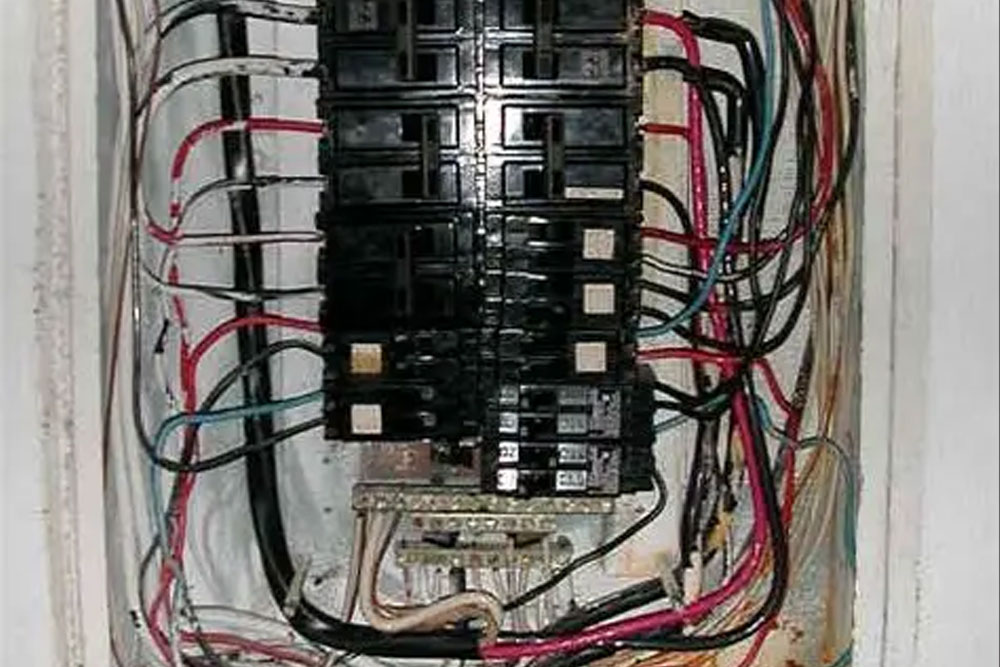
Learn the critical signs your electrical panel is unsafe, from flickering lights to strange odors. Protect your home and family. Contact Voltek Electric...
How Long Does An Electrical Panel Last?
 As a homeowner, you rely on your electrical system every single day, but the heart of that system—the electrical panel—is often overlooked until there’s a problem. Understanding the answer to how long does an electrical panel last is crucial for maintaining a safe and functional home. Most panels have a definite lifespan, and ignoring the signs of aging can lead to significant risks, including power outages and electrical fires. Therefore, proactive knowledge is your best defense.
Understanding Lifespan: How Long Does An Electrical Panel Last on Average?
Generally, a modern circuit breaker panel can last from 25 to 40 years. However, this is not a guaranteed timeframe. Several factors can influence its longevity. For example, the quality of the original panel and the skill of the installer play a significant role. A professionally installed, high-quality panel will almost always outlast a cheaper model that was poorly fitted. Furthermore, the electrical load it manages and the environmental conditions it’s exposed to are also critical variables.
Importantly, panels don’t just stop working on a specific date. Their components degrade over time. Breakers can become weak, bus bars can corrode, and connections can loosen. Consequently, even if a panel appears functional, its performance and safety can be compromised as it ages. Regular inspections by a professional residential electrician can help assess its true condition.
What Are the Signs of a Failing Electrical Panel?
Your home will often give you clues that your electrical panel is nearing the end of its life. Recognizing these warning signs is essential for preventing a larger catastrophe. You should be concerned if you notice any of the following issues. Specifically, these symptoms suggest it’s time for a professional evaluation.
- Frequent Breaker Trips: While a breaker tripping occasionally is normal, frequent trips signal that the panel is overloaded or the breaker itself is failing.
- Flickering or Dimming Lights: If lights flicker when you turn on a major appliance, it could indicate a loose connection or an overloaded circuit that the panel can no longer handle.
- A Burning Smell or Scorch Marks: Any burning odor or visible scorch marks around the panel are immediate red flags. This indicates overheating and a serious fire hazard.
- Crackling or Buzzing Sounds: An electrical panel should operate silently. Sounds like buzzing or crackling point to an electrical arc, which is extremely dangerous.
- Physical Corrosion or Rust: Moisture is the enemy of electrical components. Rust on the panel box or on the breakers themselves compromises the system’s integrity.
- The Panel Feels Warm: The panel cover should never feel warm or hot to the touch. Warmth is a clear sign of overloaded wiring or failing components.
Factors That Shorten an Electrical Panel’s Lifespan
While age is a primary factor, several other conditions can accelerate a panel’s decline. Understanding these can help you better gauge your own system’s health and know when to seek expert advice. These elements often work in combination, creating a greater risk over time.
Environmental Exposure
A panel located in a damp, humid, or dusty environment like a basement or garage is more susceptible to damage. Moisture can cause corrosion that impedes electrical connections and creates safety hazards. Similarly, dust and debris can build up, causing components to overheat.
Increased Electrical Load
Many older homes were not built to handle the electrical demands of modern life. The addition of new appliances like high-definition TVs, computers, and EV chargers puts a strain on older panels that they weren’t designed for. This constant high demand can cause components to wear out much faster. Answering how long does an electrical panel last often depends on how much you ask of it.
Poor Installation or Modifications
An improperly installed panel is a problem from day one. Moreover, subsequent DIY modifications or work done by an unqualified person can introduce serious flaws. According to safety experts like the Electrical Safety Foundation International (ESFI), improper electrical work is a leading cause of home fires.
When Should You Consider an Upgrade?
Deciding to replace your electrical panel is a major step, but it’s a critical investment in your home’s safety and functionality. You should strongly consider an upgrade if you’re planning a major home renovation, adding a large appliance, or if your panel is an older, problematic brand like Federal Pacific or Zinsco. These brands are known for their high failure rates. Additionally, if your panel is over 25 years old and showing any of the warning signs mentioned earlier, it’s time for a replacement. Upgrading not only enhances safety but also ensures your home complies with the latest National Electrical Code (NEC) standards. For more information on common electrical issues, you can review our Frequently Asked Questions page.
Key Takeaways: Proactive Panel Management
Ultimately, the question of how long does an electrical panel last is less about a fixed number and more about ongoing safety and performance. While a 25-40 year lifespan is a good guideline, your panel’s actual condition is what truly matters. Pay attention to the warning signs, consider your home’s electrical demands, and never hesitate to involve a professional. A modern electrical panel provides the capacity for today’s technology and the peace of mind that comes with enhanced safety features. Being proactive about your home’s electrical heart is one of the smartest decisions you can make. If you have any concerns about your current system, contact Voltek Electric for a comprehensive inspection and ensure your home is powered safely for years to come.
Related Posts