
If you have just brought home an electric vehicle, or you are about to, one…
Commercial Electrical Maintenance Checklist Every Business Owner Needs
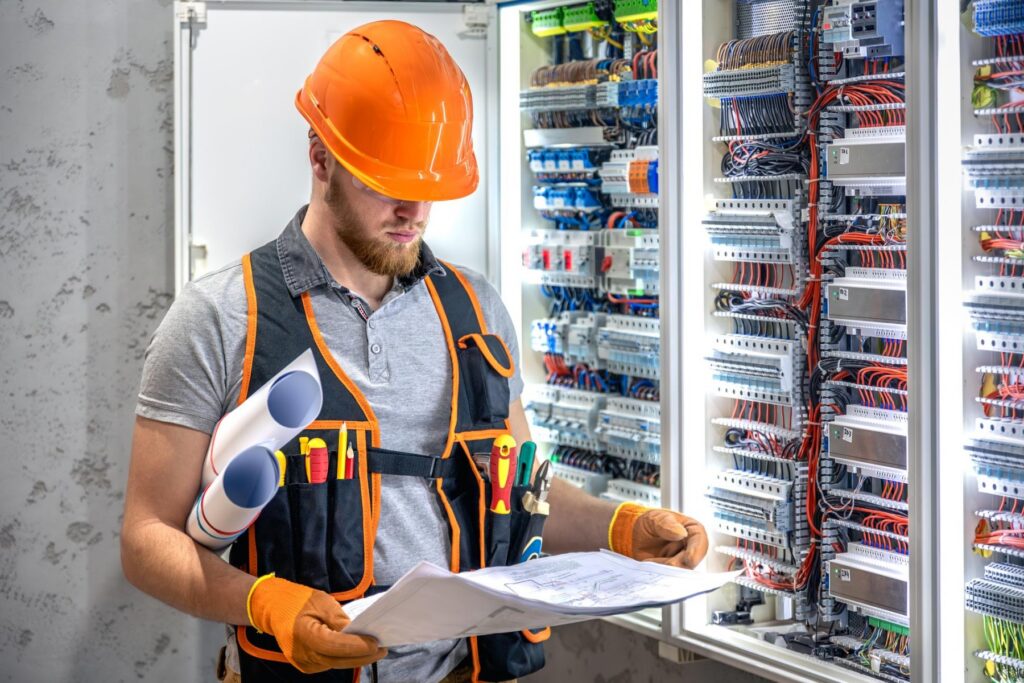
Running a business means keeping an eye on dozens of moving parts, and the electrical system behind your walls is one of the easiest things to overlook until something goes wrong. At Voltek Electric, we work with business owners and facility managers who want to stay ahead of electrical issues rather than react to them. This guide walks through the commercial electrical maintenance checklist we recommend to every client, so you know exactly what to look for and when to bring in a professional.
Why Commercial Electrical Maintenance Matters
Electrical systems in commercial buildings carry far more load than the ones in a typical home. Between HVAC units, kitchen equipment, servers, lighting banks, and machinery, the demand on your wiring, panels, and breakers adds up quickly. Over time, that constant use leads to wear that isn’t always visible from the outside.
Preventive electrical maintenance is the practice of catching that wear before it turns into a failure. It covers routine inspections, testing, and small repairs that keep your system running the way it was designed to. Skipping this step doesn’t just risk an inconvenient outage. It can lead to fire hazards, equipment damage, and downtime that costs far more than the maintenance itself would have.
The Core Commercial Electrical Maintenance Checklist
Here is the checklist we walk through during a standard commercial electrical inspection. Depending on the size and type of your facility, some items may need more frequent attention than others.
- Inspect electrical panels for corrosion, loose connections, or signs of overheating such as discoloration or a burning smell.
- Test circuit breakers to confirm they trip properly under overload conditions.
- Check outlets and switches throughout the building for cracks, looseness, or warm surfaces.
- Review wiring in accessible areas for fraying, exposed conductors, or rodent damage.
- Verify that grounding and bonding connections meet current code requirements.
- Test emergency lighting and exit signs to confirm they activate during a power loss.
- Inspect exterior lighting, parking lot fixtures, and signage for water intrusion or exposed wiring.
- Confirm that GFCI and AFCI protection is functioning in kitchens, bathrooms, and other required areas.
- Check load levels on panels to make sure the system isn’t running close to capacity.
- Document findings and compare them against the previous inspection to spot developing trends.
This list is a starting point rather than a complete audit. A licensed electrician will adjust it based on your building’s age, occupancy type, and equipment.
Building a Business Electrical Safety Checklist for Your Team
Beyond the technical inspection items above, your staff plays a role in day-to-day electrical safety. A simple business electrical safety checklist for employees can reduce the number of avoidable incidents between professional inspections.
- Report any outlet, switch, or fixture that feels warm, sparks, or makes a buzzing sound.
- Avoid overloading power strips or daisy-chaining extension cords.
- Keep storage and equipment clear of electrical panels for proper access and airflow.
- Flag flickering lights, tripped breakers, or tripped GFCI outlets right away instead of resetting them repeatedly.
- Note any smell of burning plastic or ozone near electrical equipment and clear the area.
When employees know what to watch for, small issues get reported before they turn into bigger repairs. This kind of shared awareness is something we encourage every client to build into their operations, and it pairs well with the routine work our commercial electrical services team already provides.
How Often Should Commercial Electrical Inspections Happen
The right inspection schedule depends on your industry and how heavily your systems are used. As a general guide:
- Offices and retail spaces typically benefit from a full inspection once a year.
- Restaurants, manufacturing facilities, and other high-load environments often need inspections twice a year or on a quarterly basis.
- Older buildings, or those that have gone through recent renovations, should be inspected sooner rather than waiting for the next scheduled visit.
- Any building that has experienced flooding, a lightning strike, or a major power surge needs an inspection before normal operations resume.
Local codes and insurance requirements can also set a minimum inspection frequency, so it’s worth checking with your provider or municipality if you’re unsure.
Warning Signs That Shouldn’t Wait for the Next Scheduled Visit
Some issues are urgent enough that they shouldn’t sit on a maintenance calendar. If you notice any of the following, it’s worth having a licensed electrician take a look sooner:
- Breakers that trip repeatedly without an obvious cause
- Lights that dim or flicker when other equipment turns on
- Outlets or switch plates that feel warm to the touch
- A persistent burning smell near panels or outlets
- Visible scorch marks on outlets, panels, or wiring
These are the kinds of signs our team looks for during every visit, and catching them early is usually the difference between a minor repair and a much larger project.
The Real Cost of Skipping Maintenance
It’s easy to view electrical maintenance as an expense that can wait, especially when everything seems to be working fine. The problem is that electrical wear doesn’t usually announce itself until it becomes a bigger issue. A loose connection inside a panel might sit unnoticed for months, slowly generating heat, before it finally causes a breaker to fail or a fire risk to develop.
When we compare the cost of a scheduled inspection against the cost of an emergency repair, the difference is usually significant. An unplanned outage can shut down operations for hours or days depending on the severity of the problem. For a retail store, that might mean lost sales during peak hours. For a restaurant, it could mean spoiled inventory and a kitchen that can’t function. For an office building, it could mean employees sitting idle while repairs are made.
There’s also the question of liability. If an electrical failure leads to property damage or injury, and it’s later discovered that routine maintenance was skipped, that can complicate insurance claims and open the door to legal questions. Keeping a documented maintenance history protects your business on more than one front.
Planning a Maintenance Schedule That Fits Your Business
Every commercial property is different, so a maintenance schedule should reflect the way your building is actually used rather than a generic template. When we help a client set up a plan, we typically look at a few factors.
- The age of the building and its existing electrical infrastructure
- The type of equipment running on the system, including any heavy machinery or specialized tools
- Occupancy patterns and how much foot traffic the building sees
- Past electrical issues or repairs that might point to a recurring problem
- Local code requirements tied to your industry or business type
Once we understand these details, we can put together a schedule that balances thoroughness with your budget and operating hours. Some clients prefer a single comprehensive inspection each year, while others benefit from shorter, more frequent check-ins on specific systems like emergency lighting or panel load.
What to Expect During a Professional Inspection
When our team comes out for a commercial electrical inspection, we start by reviewing the building’s layout and electrical history before touching a single panel. From there, we test load levels, check for code compliance, and physically inspect the equipment that’s accessible without disrupting your operations. Once the inspection is complete, we walk you through the findings in plain language, so you understand what needs attention now and what can be planned for later.
We’ve built our process around minimizing disruption to your business. Most inspections can be scheduled outside of peak hours, and we always provide a written summary you can keep on file for insurance or compliance purposes. If you’re not sure where to start, our team can help you build a maintenance schedule that fits your building type and budget. Feel free to reach out to our team to get a visit on the calendar.
Keeping Your Business Protected Year-Round
Electrical maintenance isn’t a one-time project. It’s an ongoing part of running a safe, reliable facility. A consistent inspection schedule, paired with a team that knows how to spot problems early, protects your equipment, your staff, and your bottom line.
We’ve spent years working with business owners across a range of industries, and you can learn more about our background and approach on our About Us page. Whether you need a one-time inspection or an ongoing maintenance plan, our team is ready to help you keep your electrical system in good shape.
Frequently Asked Questions
1. How often should a commercial building have an electrical inspection?
Most commercial buildings benefit from at least one full inspection per year, though facilities with heavier electrical loads, such as restaurants or manufacturing sites, often need inspections more frequently.
2. What is included in a commercial electrical maintenance visit?
A typical visit includes panel inspection, breaker testing, wiring checks, grounding verification, emergency lighting tests, and a review of outlets and fixtures throughout the property.
3. Can preventive electrical maintenance help lower insurance costs?
Many insurance providers view a documented maintenance history favorably, and some require proof of regular inspections as part of their coverage terms. Check with your provider for specifics.
4. What should I do if a breaker keeps tripping?
A breaker that trips repeatedly is a sign of an underlying issue and shouldn’t be reset over and over. It’s best to have a licensed electrician diagnose the cause before continuing to use that circuit.
5. Do older commercial buildings need more frequent inspections?
Yes. Older wiring and panels tend to wear down faster and may not meet current code requirements, so older buildings often benefit from more frequent checks. You can find more general guidance on our FAQ page.
Related Posts


